

What I Learned About Creativity From Boredom
What boredom felt like before screens


I’m sitting at my desk with very little to do. I’ve written a couple of blogs this morning and I’m waiting for feedback so I can pass them onto the next phase. I’ve checked my Instagram, all of my inboxes, I’ve looked at some old photos and made a new Pinterest board but nothing is easing the irritating feeling of boredom.
I remember being bored a lot as a child, waiting for the school bell to ring, waiting for my parents to come out of the supermarket, waiting to be picked up from sports practice. I did all of this without a phone or tablet or headphones and I wonder what effect that had on my brain. What did I do to ease the frustration of boredom when I wasn’t watching something, listening to something, or taking in information. I remember counting the tiles on the mall floor, making things out of leaves and sticks, shaping melted candle wax and looking under rocks for worms and bugs. I looked out the window a lot and my brother and I made up silly games where we reenacted movie scenes or made up our own. We spent afternoons in the garage looking through boxes and my Dad’s tool collection. He would ride his bike up and down the footpath while he pulled me along behind him on rollerblades, holding a skipping rope.
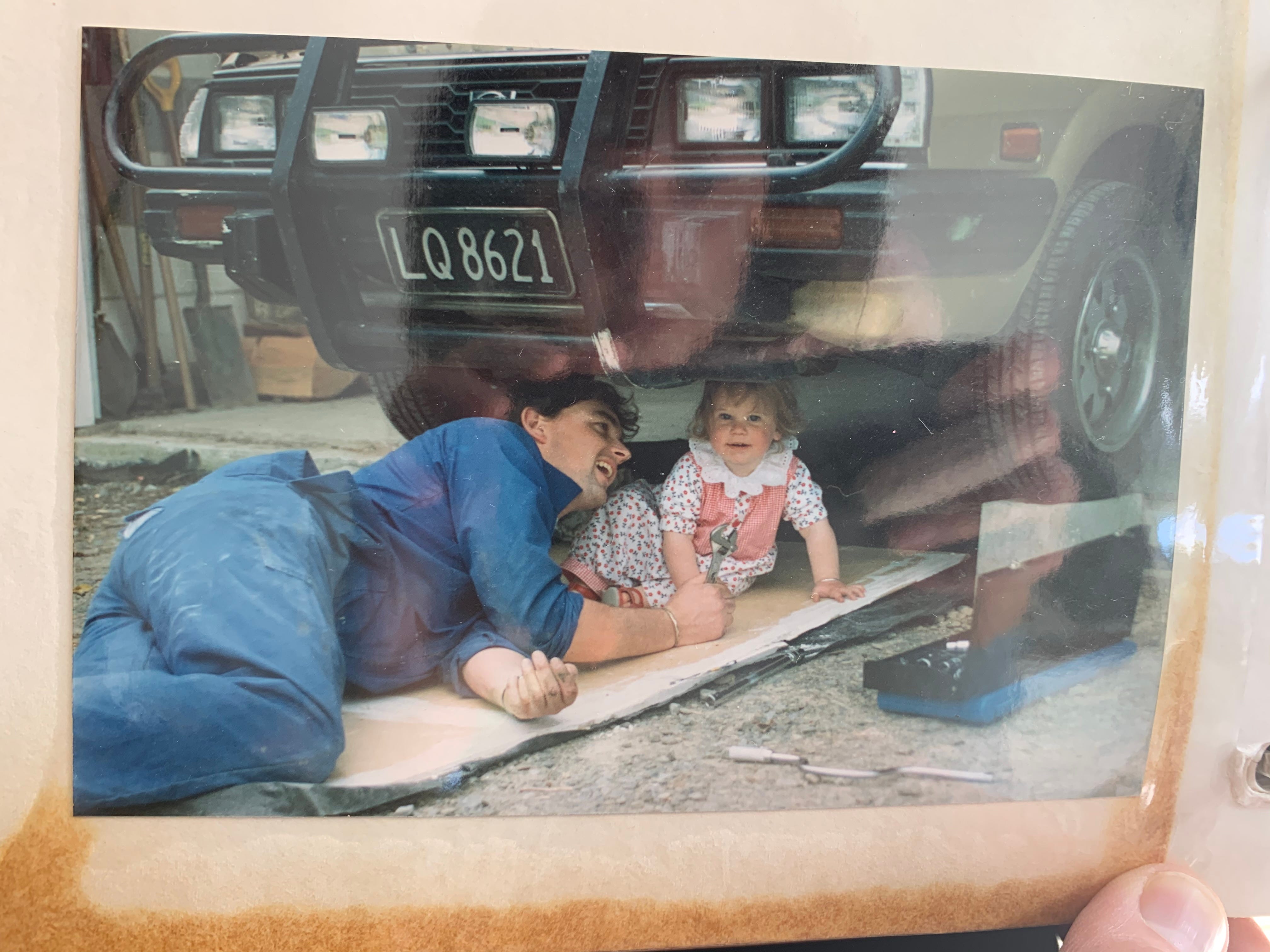
I wonder if these moments where all we had to fill the time were ourselves and our imaginations have contributed to me being a creative adult.
There is a study by Sandi Mann and Rebekah Cadman (2014) that found that boring tasks could increase performance on divergent thinking tasks (which are tests of generating multiple possible ideas rather than one correct answer). Boredom seems to be useful when it pushes the mind toward curiosity and problem-solving. The broader research on boredom suggests it can:
Restore attention. Constant stimulation keeps the brain reacting. Boredom gives attention a break from novelty, notifications, and input. That can make deeper focus easier afterwards.
Encourage mind-wandering. Mind-wandering lets the brain recombine memories, images, feelings, and unfinished problems. That is often where creative connections start.
Increase the desire to make something happen. Boredom is uncomfortable. That discomfort can become a signal: this is not enough. The brain starts looking for novelty, challenge, or meaning. For a writer, that might become a sentence. For an artist, a painting. For a problem-solver, a new solution.
Support incubation. Sometimes you cannot solve a creative problem by staring directly at it. Boredom allows the problem to keep working in the background. You step away, and later the solution arrives.
Help you hear your own thoughts. If every empty moment is filled with scrolling, podcasts, messages, or noise, there isn’t enough time to notice your own thoughts. Boredom lets buried memories and material surface.
I wonder what would have happened to my imagination if I’d been given a tablet or phone every time I was bored as a child. Would I have made up as many games, written as many stories, stared out the window long enough to think about ghosts and magic? Would I have read as many adventure novels or song lyrics from the back of the CD case? Would I have learned to sit with restlessness? I don’t know if I’d have the same level of creativity as an adult, because so much of it seemed to come from having nothing to do and being forced to invent a world for myself.
I work in an office and I find it overstimulating and painfully boring at the same time. I’ll never understand how people can work for eight hours straight, just plodding along consistently. I work hard and fast for an hour then I need to step back. But I can’t get out and go for a run or have a chat with my friends every second hour in the working day, so I find myself sitting around. A lot. But because of that boredom I’ve spent 30 minutes writing this Substack which means I got to practice my writing skills, think about happy memories, and create a new piece of work that I’m sharing with you. I probably wouldn’t have done it if I was allowed to watch movies all day.
I’m going to challenge myself the next time I feel bored and not try to chase the feeling away. I want to remember the things I did to entertain myself as a child which made me into the creative adult that I am today.
Note: This is in no way a criticism of parents or screen time. I don’t have children, but I imagine if I did, I’d be passing that screen over to stop my child from screaming at me in a waiting room or supermarket.